
New patient acquisition is not a single campaign. It is the disciplined process of helping the right people discover, trust, contact, and choose a healthcare organization.
Quick answer
New patient acquisition is the process of attracting people who have not previously received care from an organization and converting their interest into an appointment. A strong strategy combines a clear patient persona, a visible and useful website, educational content, selected social channels, permission-based email, coordinated outreach, and active review management. Measure appointment requests, request-to-booked rate, time to appointment, cancellations, no-shows, source, and patient acquisition cost. The goal is not simply more traffic. It is a reliable path from relevant discovery to a completed first visit, supported by a patient experience that encourages trust and appropriate referrals.
Summary
Define the audience before choosing channels, messages, or campaigns.
Treat the website as the central conversion point for search, social, email, and paid traffic.
Use educational content to build trust, then make contacting the practice easy.
Coordinate phone, SMS, email, social media, and other appropriate touchpoints around patient preferences.
Measure booked care and acquisition cost, not visibility alone, while responding thoughtfully to reviews.

What is New Patient Acquisition?
New patient acquisition is the number of unique patients served by a healthcare system who had not previously received care from that organization. In practice, it includes the strategy and operational work required to attract those people, earn their trust, and turn appropriate interest into a completed appointment.
Kaufman Hall defines new patient acquisition as the number of unique patients served by a healthcare system who had not previously received care at that organization. That definition is useful because it separates genuine growth from repeat visits, existing-patient reactivation, or general audience engagement.
The broader process begins before someone fills out a form. A prospective patient may search for a condition, watch an educational video, read a review, ask a family member, visit a website, call a practice, and compare the clarity of the answers. Acquisition therefore connects marketing with access, follow-up, scheduling, and the first impression created by staff.
For a medical practice, a specialty center, or a professional service organization such as a law office, the principle is similar: understand a defined audience, communicate a credible reason to choose the organization, and remove unnecessary friction. Increase patient acquisition by improving the entire journey rather than treating advertising as the journey itself.
Why is Patient Acquisition Important?
Patient acquisition matters because a practice cannot build sustainable growth from awareness alone. It needs a dependable flow of appropriate inquiries, a process that converts those inquiries into scheduled care, and an experience that supports retention and referrals. Without that connection, marketing may generate attention while the schedule remains uneven.
The economics also require discipline. Improvado describes patient acquisition cost as total marketing and sales expenses divided by the number of new patients acquired. That calculation gives leadership a way to compare channels and decide where improvement is needed. Rework recommends segmenting total new patients monthly by source so a practice can see which channels actually drive growth.
Benchmarks can differ sharply by service line. Revenue Memo reports acquisition costs ranging from about $40 for urgent care to more than $2,500 for behavioral health and clinical trial recruitment, while most specialty practices fall between $150 and $600 per new patient. These figures are context, not a universal budget. They show why a clinic should judge performance against its own service mix, access model, and revenue.
A useful dashboard should connect demand with operations. Marq identifies new-patient appointment requests, request-to-booked rate, time to appointment, cancellation rate, and no-show rate as core acquisition metrics. Add source, service line, location, and appointment outcome where appropriate. The resulting view reveals whether the problem is visibility, qualification, scheduling capacity, or follow-through.
Define what counts as a new patient for the organization.
Record every appointment request with its original marketing source.
Connect booked appointments and outcomes to the source record.
Review acquisition cost and conversion quality by channel.
Improve the weakest stage before increasing campaign volume.

How to Develop a Patient Persona
What is a Patient Persona?
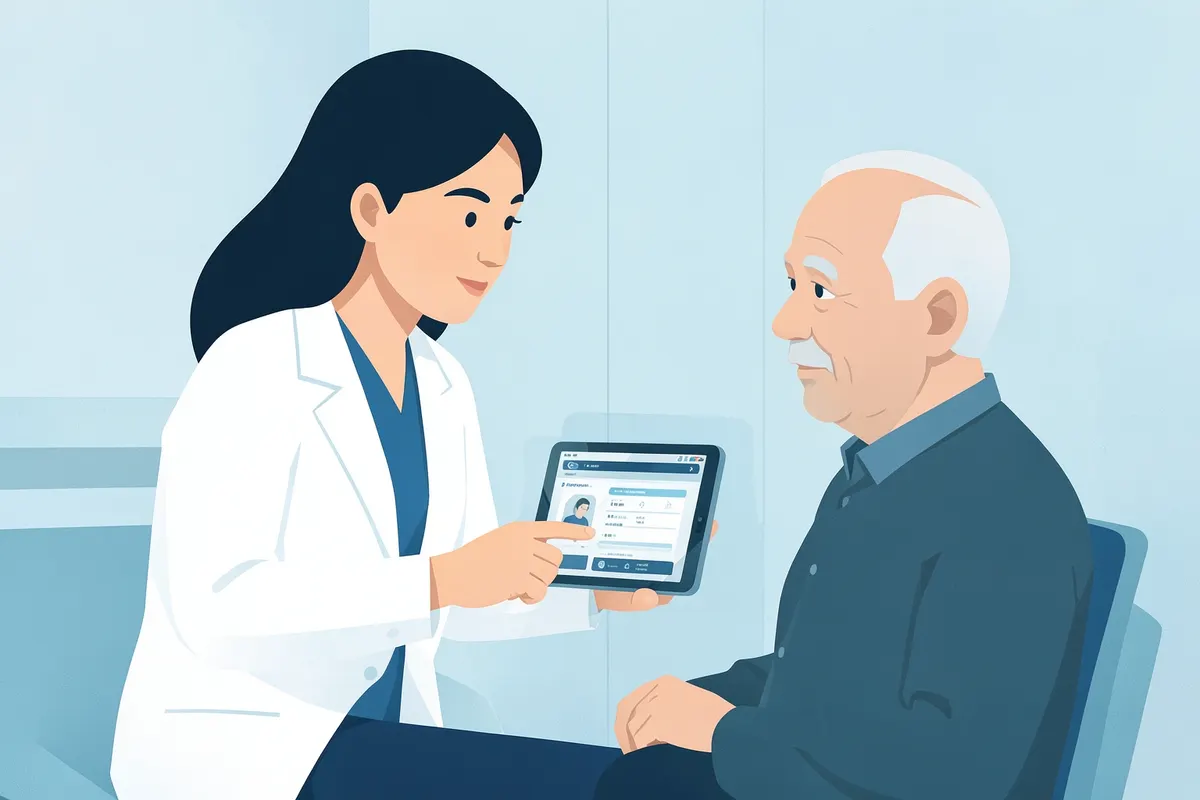
A patient persona is a fictional representation of an ideal patient that captures demographic and psychographic information. It identifies factors such as age, gender, education, income, lifestyle, values, and healthcare preferences. A persona is not a stereotype or a claim that every patient behaves the same way. It is a working model that helps a team make clearer decisions.
Build the persona from real observations: recurring questions at reception, referral patterns, service-line demand, search language, appointment barriers, and feedback from current patients. Add the problem the person is trying to solve, what creates hesitation, who influences the decision, and which explanation would make the next step feel safe and reasonable.
For sensitive services, use restraint. The persona should guide helpful communication without exposing private information or implying that a person has a condition based on browsing behavior. Focus on needs and preferences rather than assumptions.
Why Create a Patient Persona?
Developing a patient persona helps a healthcare marketing agency understand its target audience and tailor strategies to its needs. The practical benefit is consistency. The same insight can inform website copy, educational content, channel selection, referral conversations, and the way a coordinator answers questions.
A persona also sharpens prioritization. A physical therapy clinic may need to explain referral requirements and recovery expectations. A mental health practice may need language that reduces stigma and clarifies privacy. A diagnostic center may need to make preparation instructions especially easy to find. Each audience requires a different path to confidence.
Write the persona as a decision tool, then test it against actual inquiries and booked care. If the content attracts people who are not appropriate for the service, refine the message, qualification, or landing page rather than assuming that more traffic will solve the problem.
Interview staff and review recurring patient questions.
Group common needs, barriers, preferences, and decision triggers.
Write a concise persona around one priority service line.
Map the persona to search, content, contact, and scheduling needs.
Compare the model with inquiry and appointment data.
Refine the persona as evidence changes.
How to Optimize Your Website for Patient Acquisition
SEO improves patient acquisition by helping a healthcare website appear when people search for relevant conditions, services, questions, and local care options. The work combines keyword research, useful content, clear structure, accessible pages, and ongoing measurement.
What is SEO and Why is it Important?
Search engine optimization is the practice of improving a website so search engines can understand it and users can find useful answers. Team Variance identifies keyword research, content optimization, and backlink building as techniques that can help healthcare websites rank higher, increase visibility, attract traffic, and improve acquisition.
The authority opportunity is not to publish generic medical text. It is to answer the questions a prospective patient genuinely has, explain services accurately, show who the service is for, and make the next step obvious. Healthcare content must also reflect professional responsibility. Avoid exaggerated outcomes, unsupported claims, and language that pressures someone into care.
Search visibility can be commercially meaningful. Revenue Memo reports that organic search accounts for 54% of healthcare traffic and that SEO leads close at a 14.6% rate. Treat those figures as an indication of channel importance, then validate performance using the practice's own inquiries and booked appointments.
How to Improve Website Visibility?
Start with a service and location inventory. Identify the pages that should exist, the questions each page answers, and the audience represented by each page. Use natural language that patients understand, while retaining the clinical terms people may use when researching a service.
Team Variance recommends optimizing website content, keywords, and structure, while also keeping the structure well organized, adding alt tags to images, and monitoring analytics. In practice, that means clear navigation, descriptive page titles, readable headings, internal links, accessible forms, and mobile-friendly contact paths.
Build a conversion path into every priority page. A patient should be able to understand the service, assess fit, review practical details, and request an appointment without hunting for a phone number. Paid search can support immediate visibility, while content and SEO create a longer-term discovery asset. PPC uses advertising to encourage visits or actions, and Team Variance notes that it can increase website traffic and sales when managed around a clear objective.
Natto USA Agency recommends connecting SEO with brand positioning and lead handling. A page that ranks but does not answer the phone, explain next steps, or route a request promptly is not a complete acquisition system.
Audit service, location, and contact pages.
Research the language used by priority patient groups.
Create or improve pages around specific questions and services.
Organize navigation, headings, links, images, and calls to action.
Connect forms and calls with source tracking.
Review analytics and appointment outcomes regularly.
Test page clarity and follow-up before expanding traffic.
How to Leverage Social Media for Patient Acquisition
Which Platforms to Use?
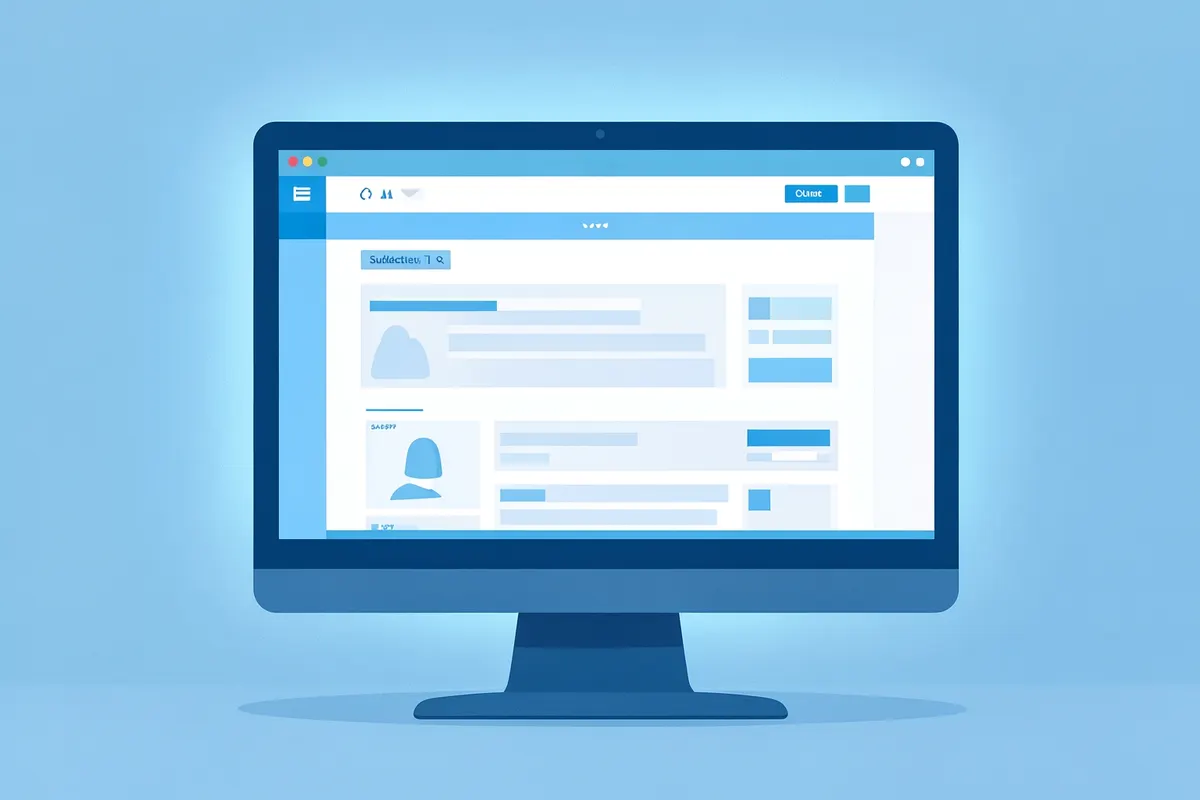
Choose social platforms according to audience, content capability, and the action you want a person to take. For patient-facing brand building and paid acquisition, Facebook and Instagram are dominant platforms. They can support local awareness, educational posts, community familiarity, and carefully governed campaigns.
YouTube is appropriate when the organization can sustain meaningful video content such as physician explainers, procedure overviews, and patient stories. LinkedIn is better suited to professional outreach, recruiting, hospital administrators, healthcare executives, and referral relationships. TikTok can reach younger demographics and has traction in areas including dermatology, mental health, and certain elective services.
Do not choose a platform because it is popular in the abstract. Choose the place where the priority audience can understand the practice, encounter useful information, and move to a suitable website or contact path.
What Content Engages Patients?
Educational content earns attention because it helps people make sense of a concern before they are ready to schedule. Top Doctor Magazine describes condition explainer articles as the leading content type for driving new patient traffic. Turn common questions into short explanations, clinician-led videos, preparation guidance, and posts that clarify what happens next.
Educational social posts are reported by Top Doctor Magazine to earn 2.3 times more engagement than promotional content. That does not mean every post should avoid an invitation. It means the invitation should follow useful context, such as an explanation of symptoms, service fit, preparation, or questions to ask during a consultation.
Video deserves a deliberate role. Top Doctor Magazine reports that video held a 39% share of healthcare digital content creation in 2025, with TikTok, YouTube, and Instagram Reels driving engagement. Use accessible captions, clear disclaimers where appropriate, and a consistent visual identity. Retargeting can reconnect with people who previously interacted with a website or brand, but it should respect privacy, consent, and platform rules.
Match each priority audience to a realistic social channel.
Create a content calendar around recurring patient questions.
Publish educational explanations before promotional invitations.
Direct interested people to a relevant, trackable page.
Review engagement alongside inquiries and booked appointments.
Adjust format and channel based on qualified response.
How to Use Email Marketing Effectively
Effective email marketing gives prospective and existing audiences useful, permission-based communication that supports informed action. The strongest program combines relevant content, clear segmentation, a consistent cadence, and a simple way to request care or learn more.
What Types of Emails to Send?
Email can extend the value of content beyond the website. Team Variance describes it as an important tool for connecting with potential patients and customers, while regular newsletters and other communications can keep audiences informed about products and services. For a practice, useful messages may include educational newsletters, service explanations, event invitations, preparation guidance, referral updates, and follow-up resources after an inquiry.
Each email should have one primary purpose. An educational message can answer a common question and lead to a deeper article. A service message can explain fit and next steps. A response to an inquiry should make it easy to continue the conversation without asking the recipient to repeat information unnecessarily.
Protect trust. Obtain appropriate permission, use accurate sender details, provide an unsubscribe path, and avoid placing sensitive health information in promotional messaging. Coordinate email with scheduling and phone workflows so the message reflects what the organization can actually deliver.
How to Segment Your Audience?
Segment by relationship and intent rather than sending the same message to everyone. Useful groups may include prospective contacts, people who requested information but did not book, referral partners, current patients receiving general communications, and audiences interested in a particular service. Location, language preference, service interest, and communication preference can further improve relevance when collected appropriately.
A segment should change the message, not merely the label. Someone researching pain management may need a plain-language explanation of evaluation and treatment pathways. A referral partner may need concise information about indications, access, and communication. A person who abandoned an inquiry may need a human follow-up route rather than another broad newsletter.
Measure delivery, meaningful engagement, inquiries, booked appointments, and unsubscribes. Email is most valuable when it supports the full acquisition journey instead of operating as an isolated publishing channel.
Collect consent and communication preferences appropriately.
Define segments by relationship, service interest, and intent.
Assign one purpose and call to action to each email.
Write useful, audience-specific content.
Connect responses with the intake or scheduling workflow.
Review performance and refine segments.
How to Implement Multichannel Outreach
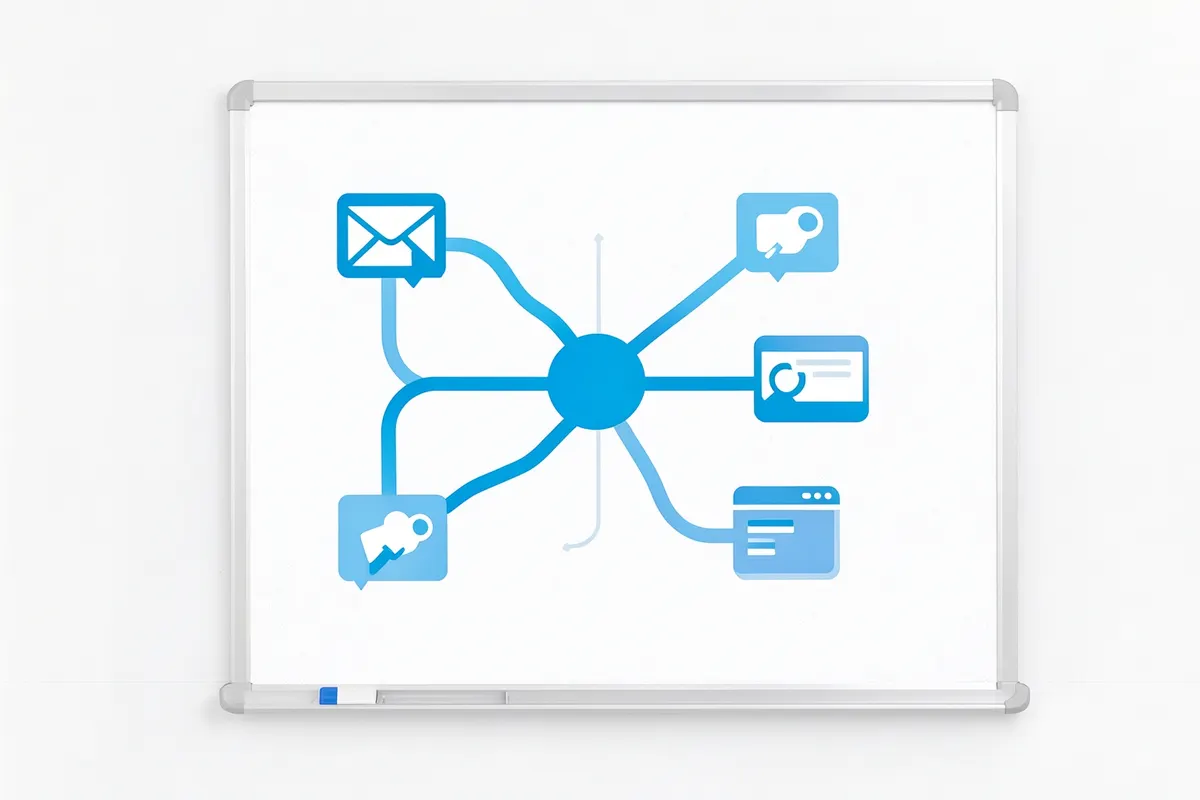
Multichannel outreach coordinates phone calls, SMS, email marketing, social media, and other suitable touchpoints so people can engage through the communication preferences that fit them. It is more than repeating the same message everywhere. It is a connected sequence with consistent information and clear ownership.
What is Multichannel Outreach?
Patients may discover a practice through search, ask a question by phone, receive a confirmation by SMS, and later return through an educational email. Multichannel outreach recognizes that journey and reduces the gaps between marketing, intake, and scheduling. Guideway Care reports that combining phone calls, SMS, email marketing, and social media improves engagement by meeting diverse communication preferences.
The sequence should be purposeful. A social post can create awareness, a website can answer questions, a form can capture an inquiry, and a call can resolve a scheduling barrier. If someone gives permission for follow-up, the organization should know what was promised, who owns the next contact, and when the record should be closed or updated.
Guideway Care reports that using at least four communication channels in patient acquisition initiatives can enhance campaign effectiveness by 300%. The lesson is not to add channels indiscriminately. It is to coordinate channels around a patient-centered process, with privacy safeguards and a clear opt-out experience.
How to Choose the Right Channels?
Begin with the persona and the service. A local primary care practice may prioritize search, a fast phone response, and location-based education. A specialty center may need referral outreach, detailed service pages, and a structured intake process. A professional office serving healthcare organizations may place more emphasis on LinkedIn and relationship development than on patient-facing social content.
Use operational evidence to make decisions. Track which channels produce qualified requests, which contacts become booked appointments, how quickly staff respond, and where people stop. Guideway Care describes medical call centers as important to acquisition because they can enhance patient experience and support financial growth. Whether calls are handled internally or through an appropriate service model, the standard remains the same: accurate information, respectful communication, and reliable handoff.
Banner Health is reported by Guideway Care to have raised its phone call conversion rate by 35% while reducing the cost of acquiring new patients by 74%. A case like this reinforces the value of improving conversion and response quality before simply purchasing more reach.
Map the patient journey from discovery to booked appointment.
Select channels that match audience preferences and team capacity.
Assign a purpose and owner to every touchpoint.
Connect records so staff can see prior interactions.
Set response and handoff rules for calls, forms, and messages.
Measure the journey across channels and remove friction.

How to Manage Online Reviews and Reputation
Online reviews influence whether prospective patients trust an organization enough to take the next step. Positive reviews can attract new patients, while thoughtful monitoring and responses show that the provider takes patient satisfaction and concerns seriously.
Why are Online Reviews Important?
Healthcare decisions carry personal risk, so people often look for signals about communication, professionalism, access, and consistency. Team Variance states that online reviews play a crucial role in the decision-making process and that positive reviews can attract new patients and improve an organization's overall image.
Reviews do not replace proof of clinical quality, and they should not be treated as a popularity contest. Their strategic value is diagnostic. Repeated comments about confusing scheduling, long waits, unclear billing, or kind staff can reveal experience patterns that marketing alone cannot repair. Share review themes with operations, then improve the underlying experience.
Invite feedback in a compliant, non-coercive way. Do not ask only satisfied people, offer incentives for favorable reviews, or disclose protected information in public replies. A credible reputation comes from accurate expectations and consistent care, not from manufactured praise.
How to Respond to Reviews?
Monitor the major review profiles and establish an internal owner for responses. Thank people for positive comments without confirming private details. For criticism, acknowledge the concern, apologize for the disappointing experience when appropriate, and offer a private route for discussion. Never argue about clinical details or reveal information that could identify a patient.
A response should be prompt, calm, and specific enough to show that the organization read the concern. It should not copy a generic script across every review. If the issue reflects a real process failure, fix the process and look for similar cases. If a review appears fraudulent or violates platform rules, use the appropriate reporting process while keeping the public response restrained.
Team Variance reports that active monitoring and responses demonstrate commitment to patient satisfaction and address concerns that may arise. Reputation management therefore belongs inside acquisition strategy, but its best result is a better patient experience for everyone, not merely a more attractive profile.
For Natto USA Agency, the practical recommendation is to connect reputation work with content, website clarity, outreach, and measurement. When these parts reinforce one another, the organization can build authority without reducing patient acquisition to a race for attention. Begin with one priority audience, one service journey, and a small set of measurable improvements.
Claim and review the organization’s relevant profiles.
Assign ownership for monitoring and response.
Categorize recurring praise, questions, and complaints.
Respond privately and publicly within appropriate privacy boundaries.
Correct operational issues revealed by review patterns.
Track reputation themes alongside inquiries and booked care.
More visibility for a specific service → Improve the relevant website page, publish useful answers to patient questions, and measure organic inquiries and booked care.
More qualified social engagement → Prioritize educational content on the platforms that match the audience, then direct interested people to a focused contact path.
Better conversion from existing demand → Audit phone, form, SMS, and scheduling handoffs before increasing media spend.
A stronger reputation → Monitor reviews, respond without exposing private information, and fix recurring experience problems.
Read also
FAQ
What is the difference between patient acquisition and patient retention?
Patient acquisition focuses on people who have not previously received care from the organization. Retention focuses on continuing relationships with existing patients. They interact, because a strong first experience can support future care and referrals, but they require different messages and measurements.
How do you measure new patient acquisition?
Track new-patient appointment requests, request-to-booked rate, time to appointment, cancellation rate, no-show rate, source, and patient acquisition cost. Reviewing these measures by channel shows whether the main opportunity is visibility, conversion, access, or follow-up.
Which channel is best for increasing patient acquisition?
There is no universal best channel. Choose based on the audience, service line, location, content capability, response capacity, and evidence from booked appointments. Search, social media, email, phone, SMS, paid media, and referral outreach can work together when each has a defined role.
How does SEO increase patient acquisition?
SEO helps relevant prospective patients find useful service and condition information through search. It supports acquisition when optimized pages answer real questions, communicate fit, provide clear contact paths, and connect with reliable intake and scheduling.
Should a practice use social media for patient acquisition?
Yes, when the practice can publish accurate, useful content and respond appropriately. Educational explanations, clinician videos, service guidance, and patient-friendly answers generally build more trust than a stream of promotional messages.
How often should a practice send marketing emails?
Use a consistent cadence that the audience has permissioned and the team can sustain. Relevance matters more than volume. Segment by relationship, service interest, intent, and communication preference, then monitor engagement, inquiries, bookings, and unsubscribes.
What should a practice do about a negative review?
Acknowledge the concern without confirming private information, avoid arguing, invite a private conversation, and investigate the underlying issue. Use recurring feedback to improve the patient experience, not merely to produce a better public reply.
What is patient acquisition cost?
Patient acquisition cost is total marketing and sales expense divided by the number of new patients acquired. Review it together with appointment quality, booked care, cancellations, no-shows, and service-line economics rather than using cost alone as the decision rule.
Glossary
New patient acquisition: The process and measured result of attracting and serving patients who had not previously received care from an organization.
Patient persona: A fictional profile representing the needs, characteristics, preferences, and decision context of a priority patient audience.
SEO: Search engine optimization, the practice of improving website visibility and usefulness in organic search.
PPC: Pay-per-click advertising, in which an organization pays for visits or actions generated by ads.
Retargeting: Advertising intended for people who previously interacted with a brand or website, subject to privacy and platform requirements.
Patient acquisition cost: Total marketing and sales expenses divided by the number of new patients acquired.
Multichannel outreach: A coordinated acquisition process using several communication channels according to audience preferences and journey stage.
Request-to-booked rate: The proportion of new-patient appointment requests that become booked appointments.


